Marine Research and Conservation Work in Mexico
I work as a marine biologist in Mexico, studying the behavior, movement, and ecology of marine megafauna including manta rays, sharks, and cetaceans. My work takes place across Baja California, the Gulf of California, Guadalupe Island, and Revillagigedo, often in areas where access, timing, and permits are part of the process. I combine research with time in the field, which allows me to understand how species behave over time and how those patterns shape what is possible to document. My work contributes to understanding how marine species use their environment and how they interact with each other. This includes research on manta rays, whale sharks, and orcas, as well as broader ecosystem observations. The goal is to support conservation efforts with data that can inform management, protection, and responsible interaction with wildlife.
Research Focus
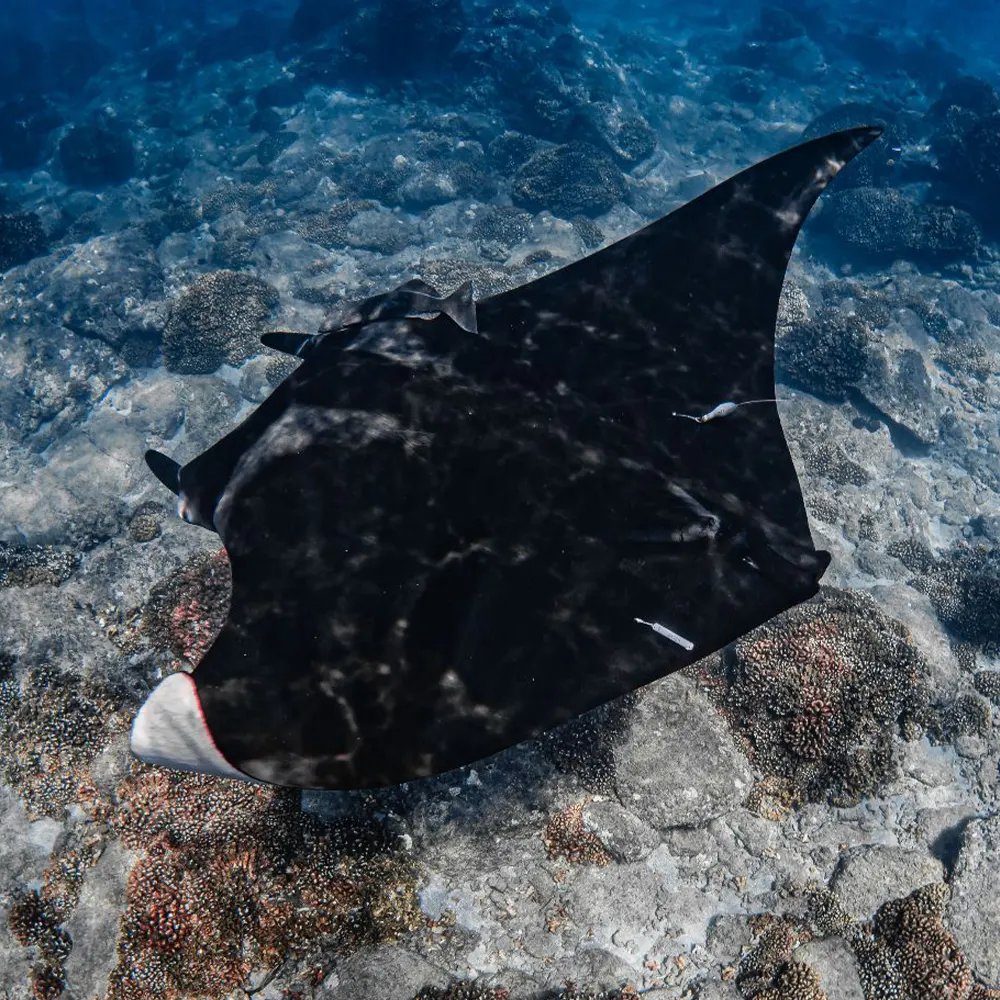
Manta Rays
I study oceanic manta rays, focusing on movement, population, and behavior using photo-identification and tracking methods.
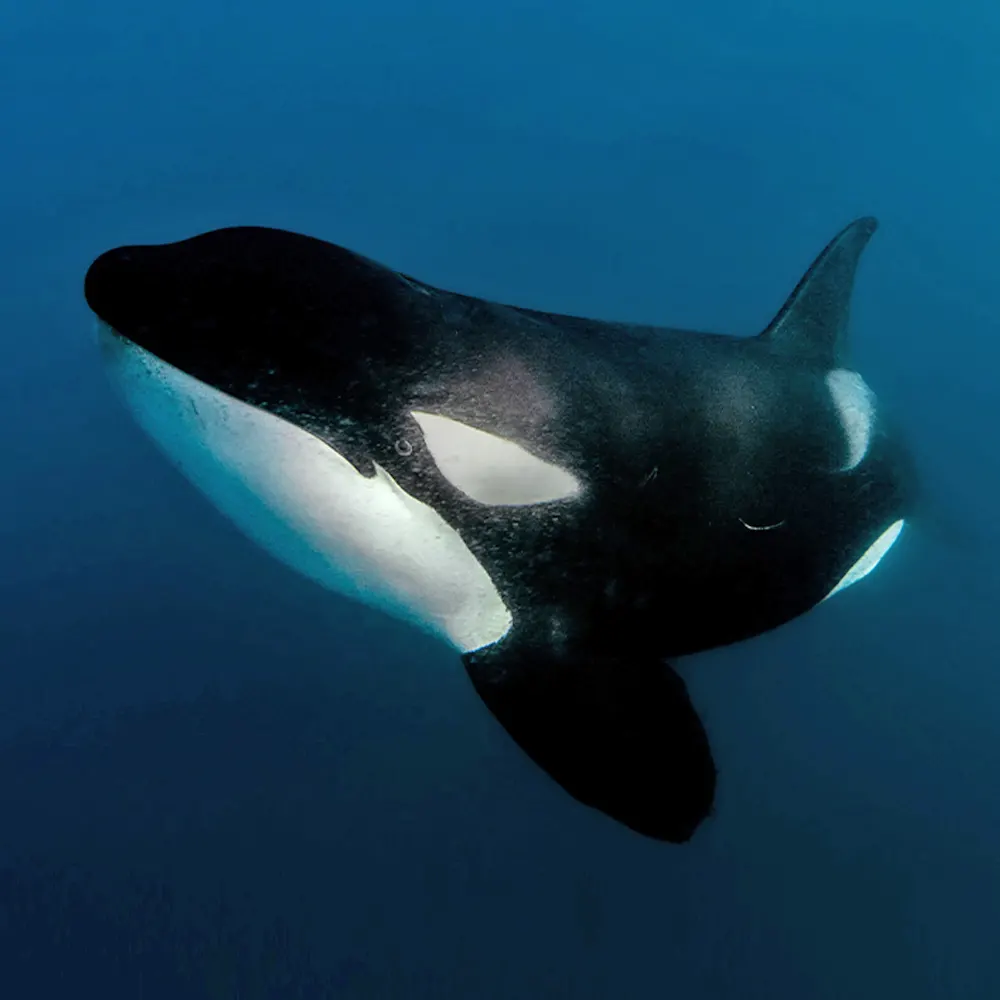
Orcas and Cetaceans
My work includes documenting orca behavior in the Gulf of California, including hunting strategies and interaction with other species.
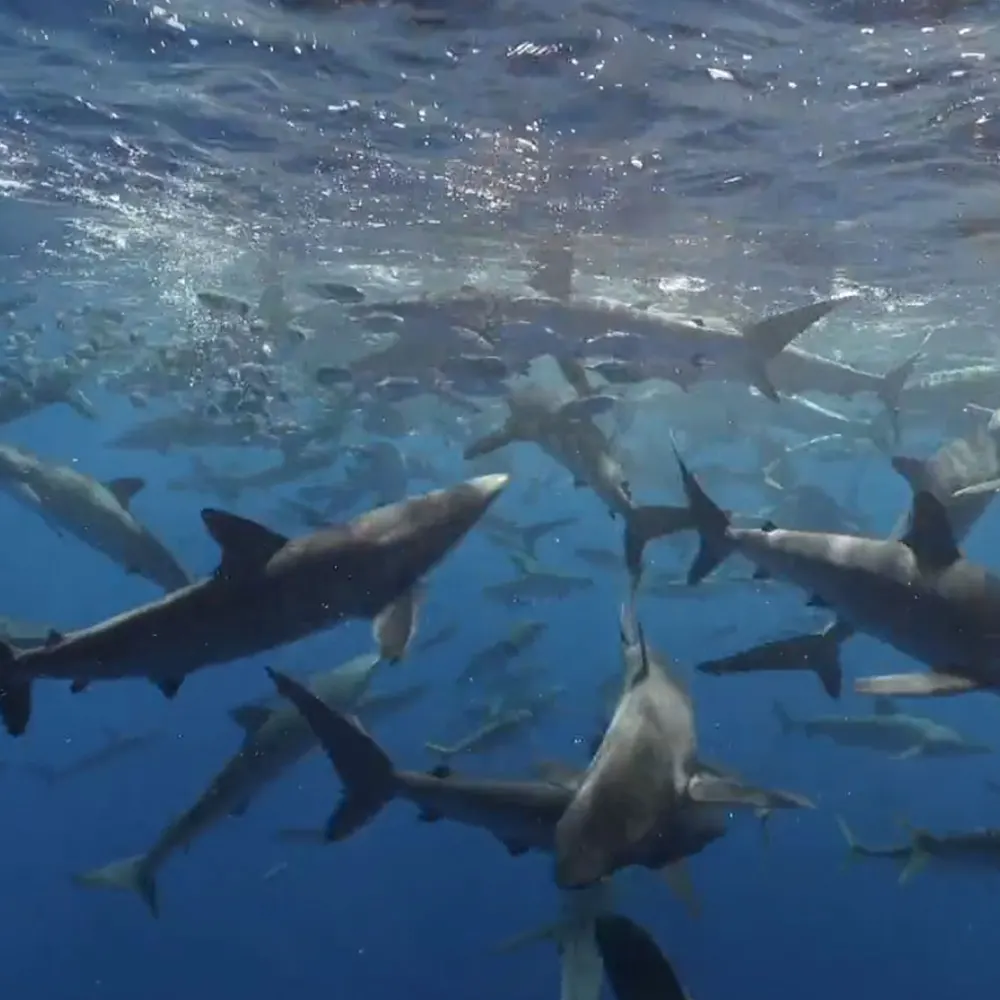
Sharks and Ecosystems
I contribute to research on sharks and their role within marine ecosystems, including interactions with other species.
SCIENCE + RESEARCH
Field Research Approach
Most of my work is built on returning to the same areas over time. This allows me to follow patterns in behavior instead of relying on isolated encounters. I use tools like photo-identification and tracking to understand how individuals move and use specific habitats. Working this way requires coordination with researchers, permits, and local teams, especially in protected areas.
Organizations and Collaborations
Manta Pacifico
I am cofounder of Manta Pacifico, a group focused on advancing research on giant manta rays in Mexico.
Pelagic Life
I work with Pelagic Life, a nonprofit focused on marine conservation through research, outreach, and responsible ocean use.
Conexiones Terramar
I co-direct Conexiones Terramar, where we conduct research on whale sharks, manta rays, and orcas across the Gulf of California and Revillagigedo.
Selected Research
Some of my field observations have contributed to peer-reviewed research focused on behavior, predator-prey interactions, and habitat use in the Gulf of California and the Mexican Pacific.
Killer whales hunt, kill, and eat whale sharks
Published: 2024
Documentation of orcas preying on whale sharks and how that behavior is carried out.
Orcas and sharks: Predator-prey interactions in Cabo Pulmo National Park
Published: 2024
Study on how orcas interact with sharks within a protected marine ecosystem.
Sharks rubbing against whale sharks
Published: 2023
Observation of sharks using whale sharks in ways that may relate to skin maintenance.
Genetic differences in false killer whales in the Mexican Pacific
Published: 2023
Research showing regional variation in false killer whale populations.
Revillagigedo Archipelago as a dolphin nursery
Published: 2023
Findings suggesting the area may serve as a calving site for bottlenose dolphins.
Orcas hunting rays in the Gulf of California
Published: 2023
Documentation of different hunting strategies used by orcas.
SCIENCE + RESEARCH
Why This Work Matters
Understanding behavior is what connects research and field work. It allows for better decisions, more accurate documentation, and work that reflects how these animals actually live. For me, research is not separate from filming. It is part of the same process.
Marine Research Mexico Frequently Asked Questions
What research does Erick Higuera do?
I study marine megafauna such as manta rays, sharks, and orcas, focusing on behavior, movement, and ecosystem interactions in Mexico.
Where does Erick Higuera conduct marine research?
My work takes place across Baja California, the Gulf of California, Guadalupe Island, and Revillagigedo.
Is Erick Higuera involved in conservation work?
Yes. My research contributes to conservation efforts, including understanding species behavior and supporting marine protected areas.
How does research connect to filming?
Research helps me understand behavior and timing, which makes field work more accurate and efficient.