
Most of the moments people see on screen are the result of time.
Not just time filming, but time observing.
Because I work as both a filmmaker and a researcher, I tend to return to the same animals and the same locations. Over time, patterns start to appear. That’s when you begin to see behavior that is not obvious at first.
One of those moments was documenting orcas hunting whale sharks in the Gulf of California.
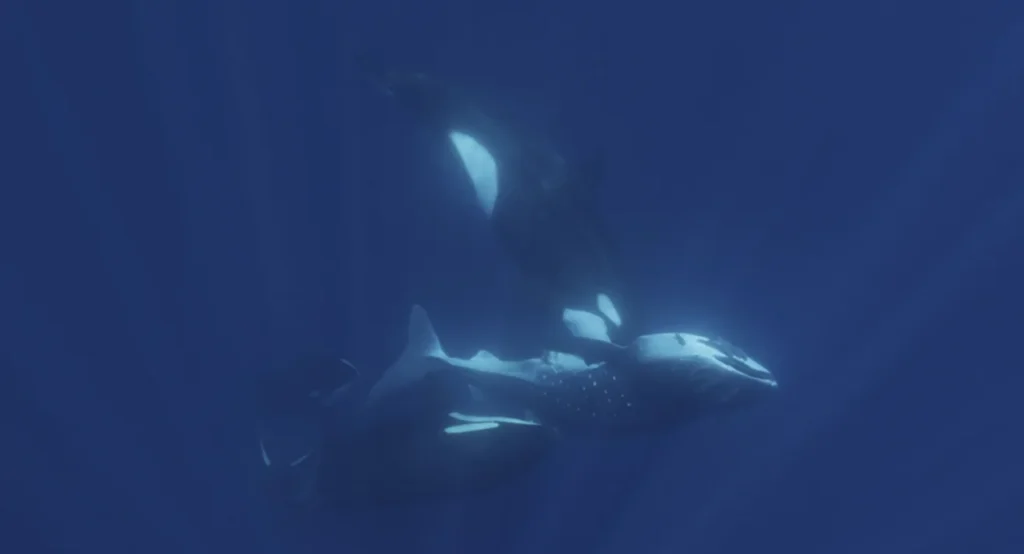
This was not a single event. It happened across multiple encounters, over several years, and with different individuals. What stood out was how consistent the behavior was.
The orcas worked together. They controlled the movement of the whale shark and focused on specific areas of the body. The goal was clear. Access the liver.
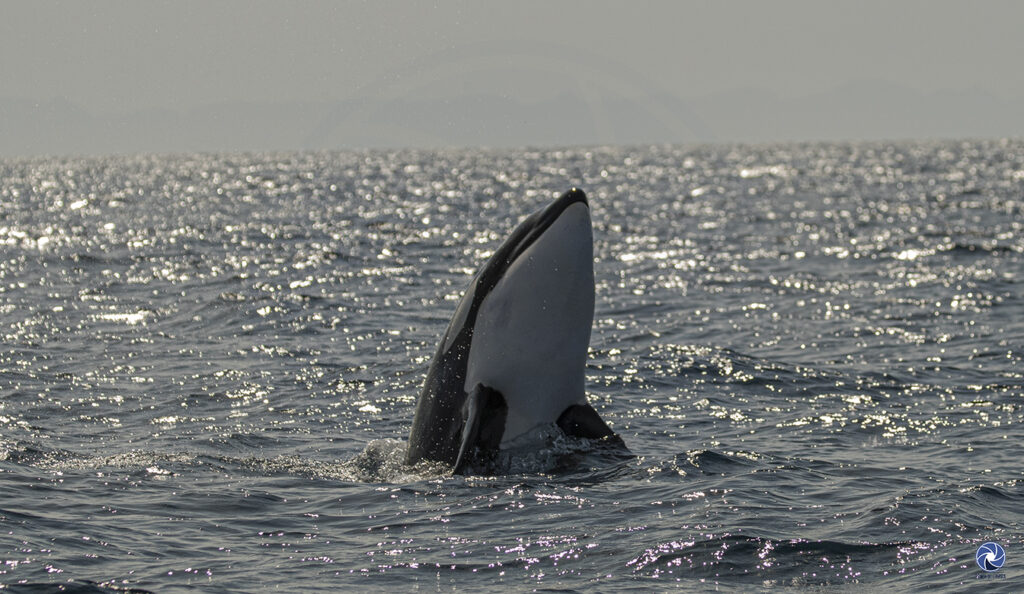
Whale sharks are the largest fish in the ocean. Seeing them as prey changes how you think about the system.
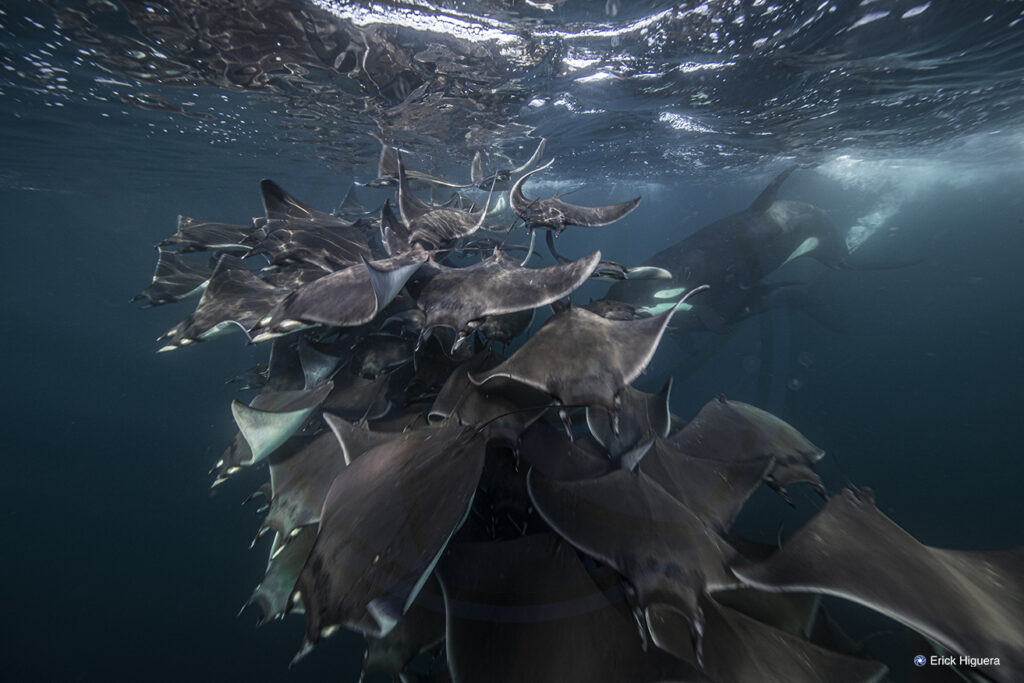
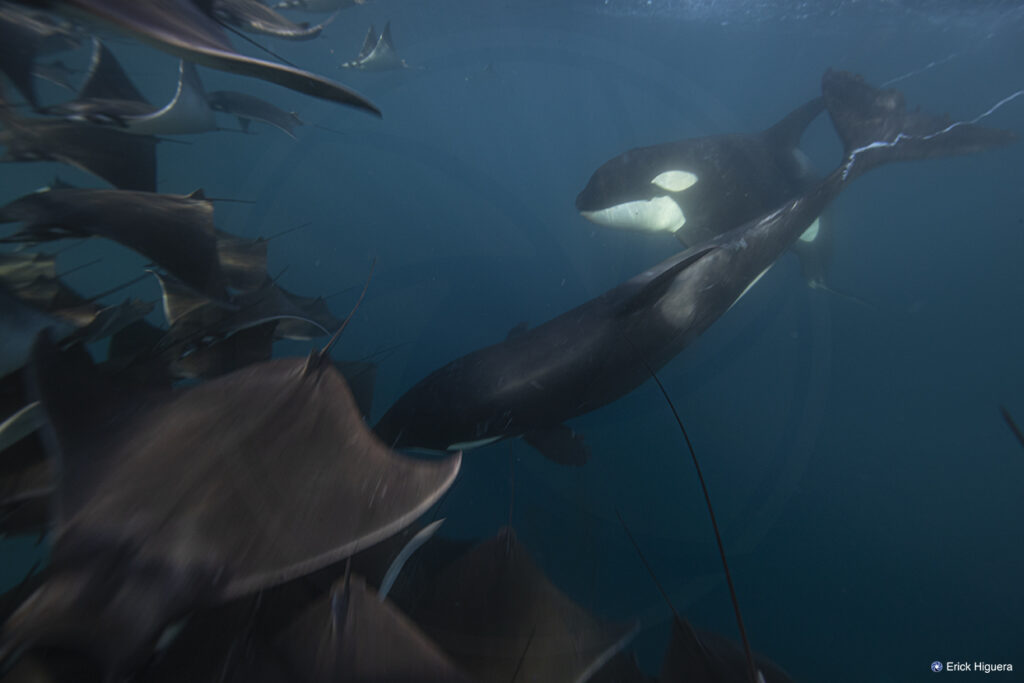
This work became part of a published study showing that some orcas specialize in hunting elasmobranchs like whale sharks and rays.
But that is only one example.
I’ve seen manta rays return to the same cleaning stations over years. I’ve followed individuals using photo-identification and watched how their behavior changes depending on conditions.
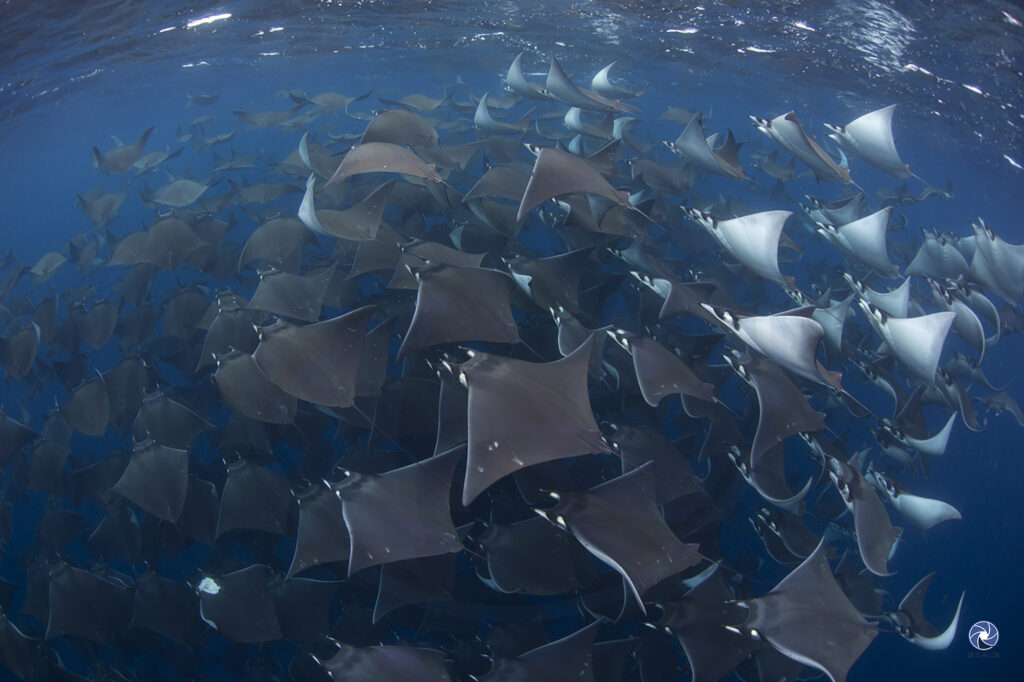
I’ve filmed mobula rays aggregating in large numbers, but only during very specific windows.
I’ve watched dolphins shift hunting strategies depending on prey and environment.
These are not isolated events. They come from spending time in the water, paying attention, and working with researchers to understand what is happening.
From a filming perspective, these moments are difficult to plan. You can’t force them. From a research perspective, they matter. They help explain how species interact and how ecosystems function.
For me, filming and research are part of the same process. One helps inform the other.