
Much of my ongoing work takes place in a few key areas along the Baja California Peninsula and the Gulf of California. I tend to return to the same places over time – and to the same animals. That’s how I learn how animals move, when they show up, and what behavior is possible to document.
These locations are not interchangeable. Each one has its own conditions, species, and timing.
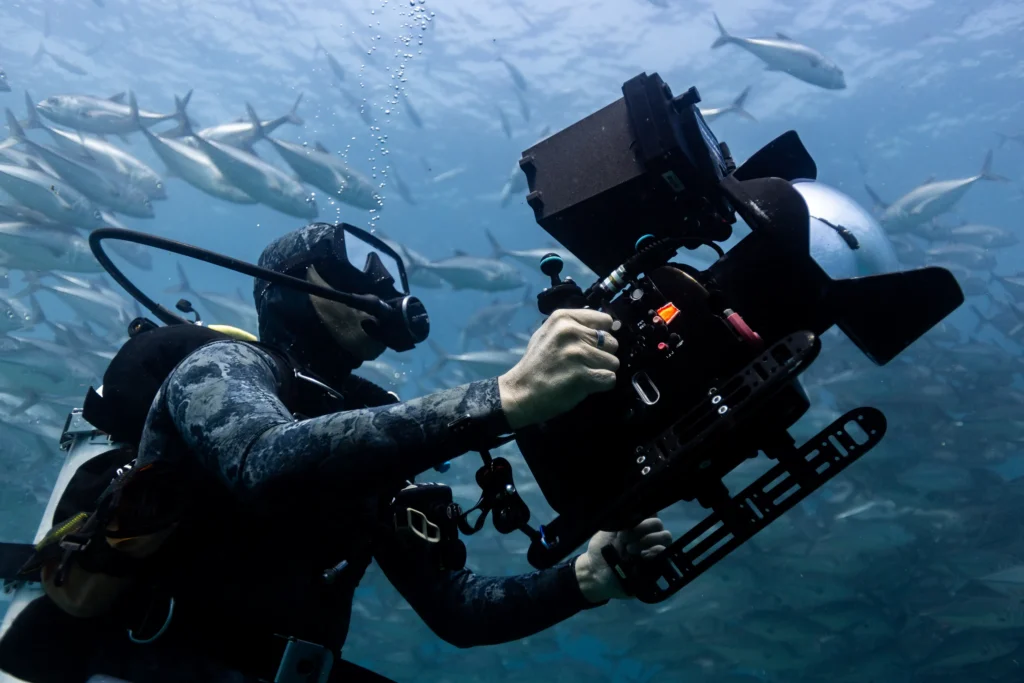
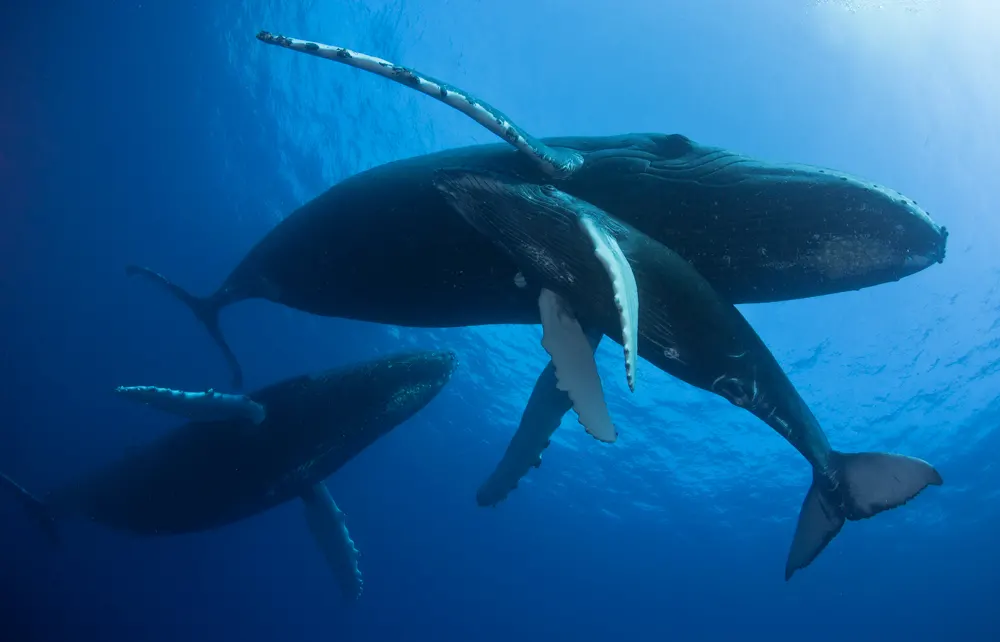
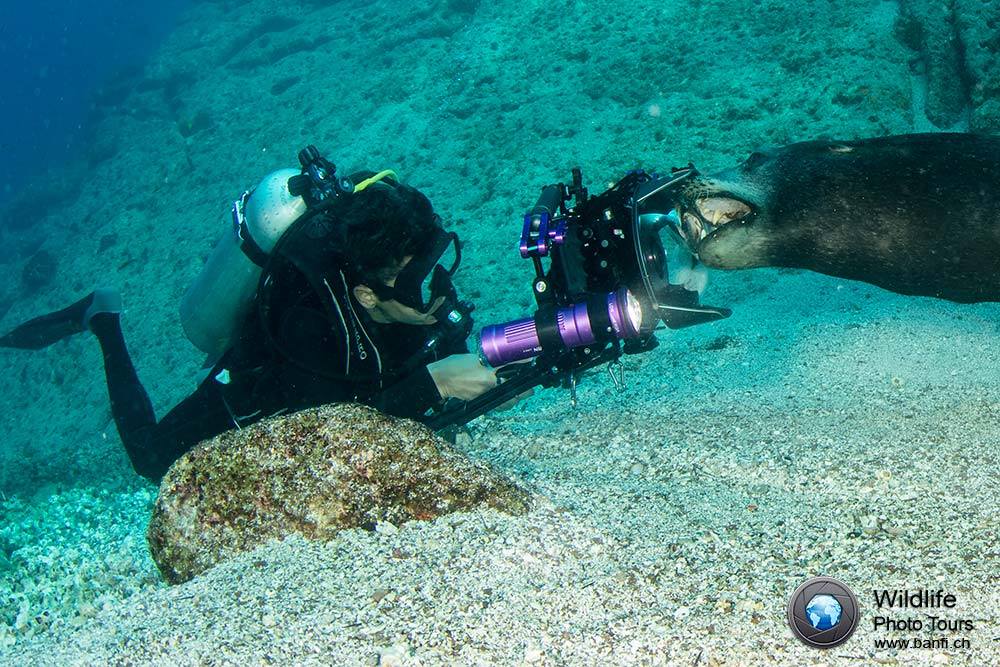
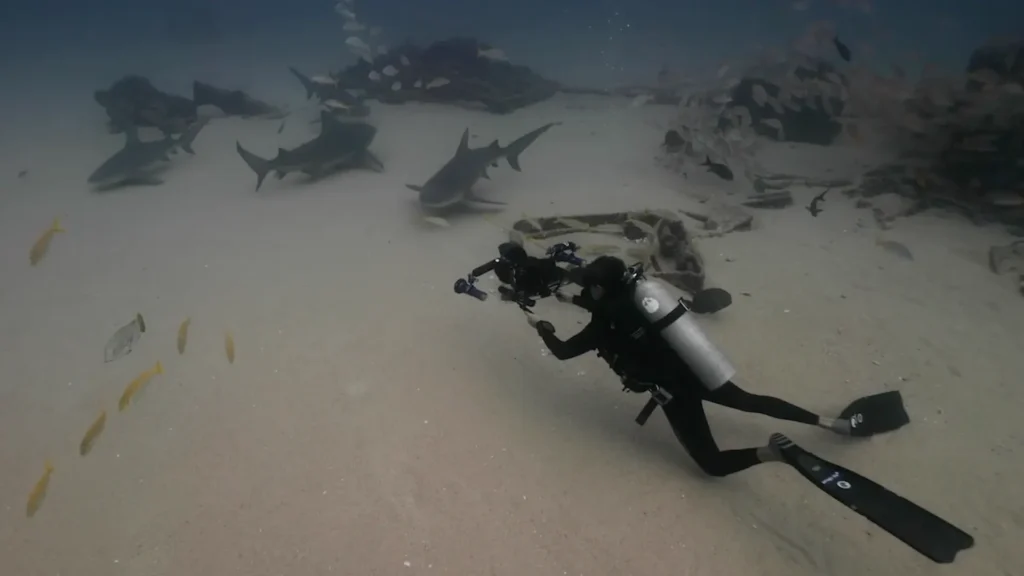
In the Gulf of California, I spend a lot of time working with whale sharks, mobula rays, dolphins, and orcas. It’s one of the few places where you can see that range of species in a relatively concentrated area, but timing matters. Some pelagic events only happen for a short window each year.
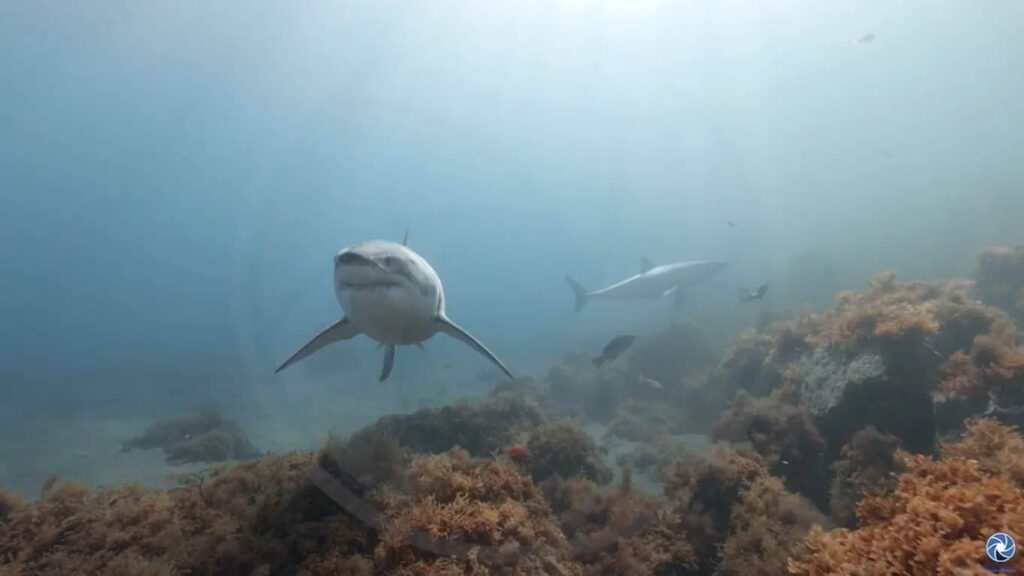
In Guadalupe Island, the work is different. It’s a remote offshore island known for great white sharks. Access is controlled, and conditions can change quickly. Most of the filming here is focused on behavior rather than just encounters.
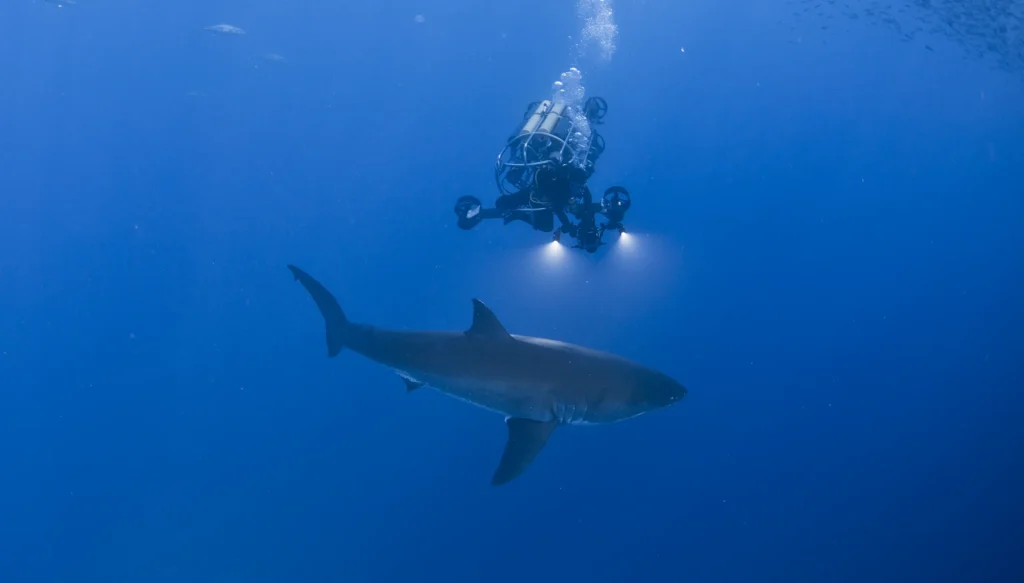
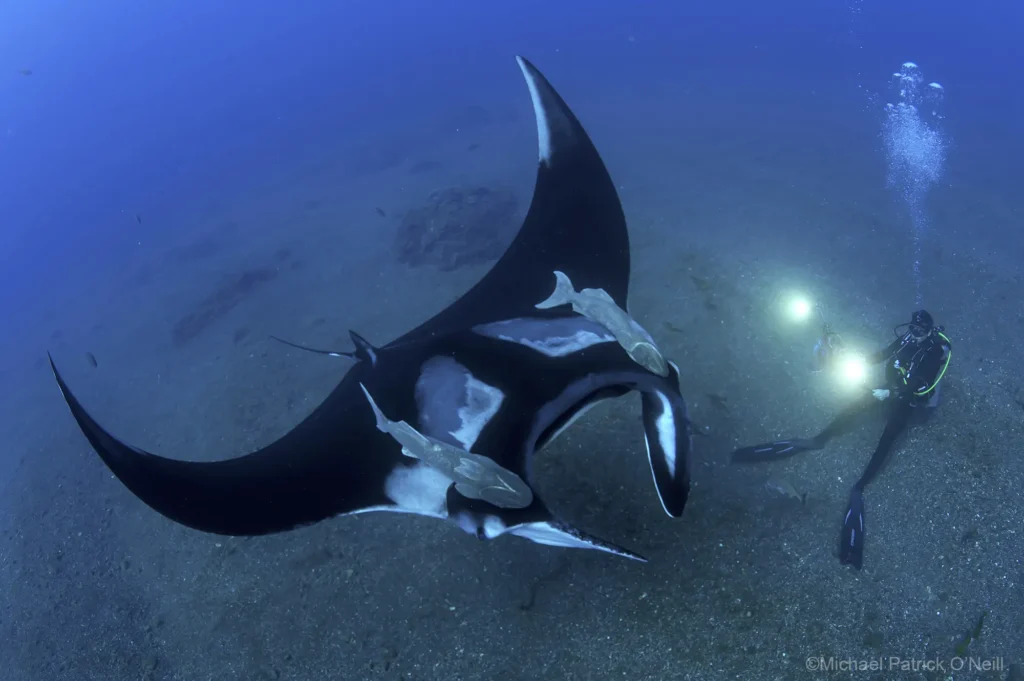
Revillagigedo Archipelago is one of the most consistent places I work. It’s a protected area, and that shows in the density of life. Giant manta rays, sharks, and pelagic species use these islands in ways that are still being studied. Because it’s protected, filming requires permits and coordination, but the behavior you see there is often more natural – and never before documented.
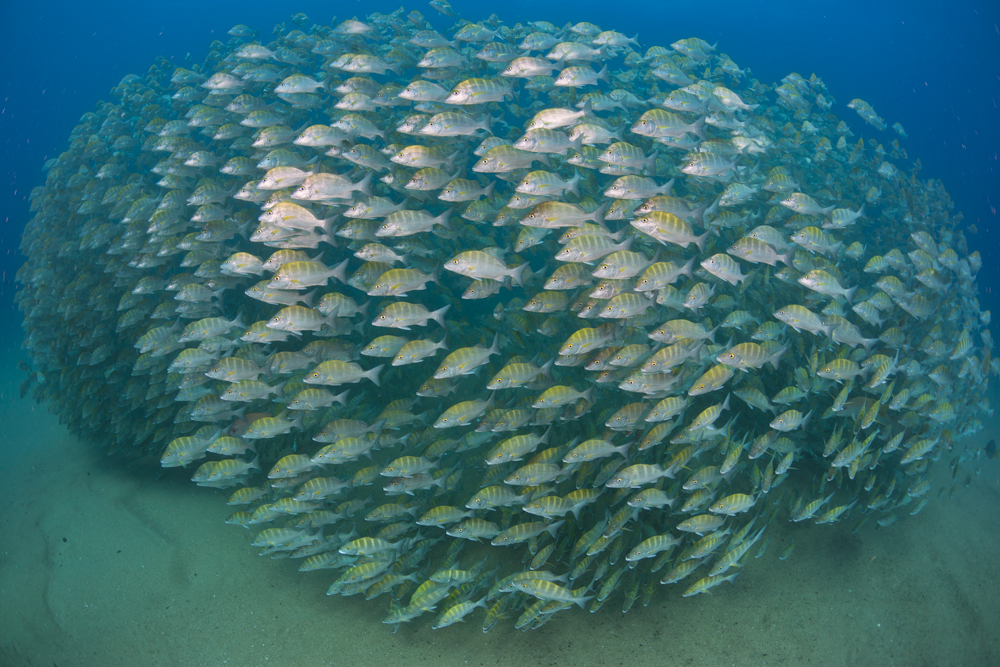
Along the Pacific side of Baja, conditions are more variable. This is where I’ve filmed bait balls, seasonal migrations, and interactions that are harder to predict. Some of the most interesting sequences come from these areas, but they require time and patience.
For me, these locations are not just places to film. They are systems. Understanding how each one works is what allows me to plan and work safely.
Frequently Asked Questions
Most filming takes place in Baja California, the Gulf of California, Guadalupe Island, and Revillagigedo.
Guadalupe Island and Revillagigedo are key locations depending on the species and behavior.
Guadalupe Island and Revillagigedo are key locations depending on the species and behavior.